
How To Repair RV Roof Leaks: Step By Step Guide
April 16, 2025
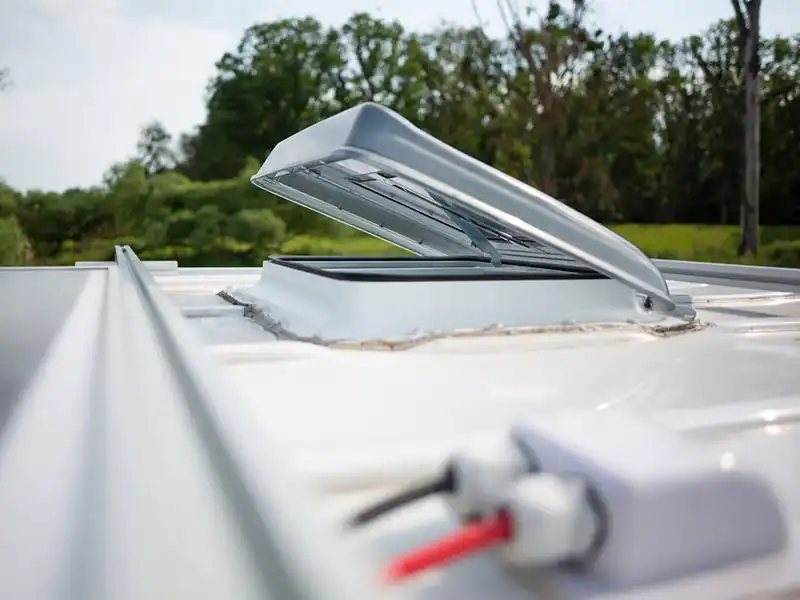
Owning an RV offers freedom and adventure, but it also comes with a fair share of maintenance responsibilities. One of the most critical tasks for RV owners is maintaining the integrity of the roof. A leaky RV roof can lead to extensive interior damage, mold growth, and even structural issues if left untreated. Fortunately, with the right tools, materials, and guidance, most RV roof leaks can be repaired by a dedicated DIYer.
This comprehensive step-by-step guide from Outrig covers everything you need to know about RV roof repair, from identifying leaks to applying sealant and maintaining the roof to prevent future issues.
Why RV Roof Repair is Crucial
Your RV roof is constantly exposed to sun, rain, snow, and debris. Over time, even small cracks or seams can begin to fail. Because water can travel along the roof or down walls before becoming visible inside, roof leaks can be difficult to detect early. If not addressed, water intrusion can lead to:
- Delamination of walls and ceiling
- Insulation damage
- Rotting wood framing
- Mold and mildew growth
- Expensive repairs and loss of resale value
By performing regular inspections and knowing how to handle RV roof repair, you can extend the life of your vehicle and avoid costly damage.
Step 1: Identify the Leak
Before you can fix a leak, you need to locate it. This can be trickier than it sounds, as water often travels far from the entry point before showing visible signs. Here’s how to track it down:
Exterior Inspection
- Climb safely onto your RV roof using a stable ladder.
- Look for cracks, soft spots, punctures, or deteriorated caulking around seams, vents, skylights, and antennas.
- Examine the edges of the roof where it meets the walls. These areas are especially prone to leaks.
Interior Signs
- Inside the RV, look for discoloration or sagging in the ceiling.
- Check around roof-mounted appliances for signs of water.
- A musty smell may indicate hidden mold caused by a leak.
Tip:
Use a garden hose to run water over small sections of the roof while someone is inside watching for leaks. This "controlled leak test" can help pinpoint the source.
Step 2: Clean the Roof Surface
Cleaning the repair area ensures better adhesion of sealants and patch materials.
Supplies Needed:
- Soft-bristle brush or sponge
- Mild soap or specialized RV roof cleaner
- Water hose or bucket
- Lint-free cloths or rags
Instructions:
- Remove any leaves, sticks, or dirt.
- Wash the area around the leak with soap and water.
- Rinse thoroughly and let it dry completely.
- For rubber roofs (such as EPDM or TPO), avoid harsh cleaners or solvents that could damage the membrane.
Step 3: Remove Damaged Sealant
Old, cracked, or peeling sealant won’t hold new material and may continue to leak.
What You Need:
- Plastic scraper or putty knife
- Denatured alcohol or mineral spirits
- Gloves
Steps:
- Gently scrape away old sealant using a plastic tool (to avoid gouging the roof).
- Clean the area with denatured alcohol to remove oils and residues.
- Let it dry before applying any new product.
Step 4: Choose the Right Repair Product
RV roofs come in several materials: EPDM (rubber), TPO (thermoplastic), fiberglass, or aluminum. Choosing a compatible product is key.
Sealants
- Self-leveling lap sealant (e.g., Dicor): Ideal for horizontal surfaces like roof seams.
- Non-sag sealant: Best for vertical surfaces.
- Butyl tape: Great for mounting components (vents, A/Cs) before sealing.
Roof Patch Kits
- Use for larger tears or holes.
- Include rubber patches and adhesives.
Liquid Roof Coatings
- Elastomeric or rubber coatings can be used for large-scale resealing projects.
Step 5: Apply the Repair
For Cracks or Small Gaps:
- Load a tube of self-leveling sealant into a caulk gun.
- Apply a generous bead over the damaged area.
- Let the sealant spread naturally.
- Allow 24-48 hours to cure (follow product guidelines).
For Holes or Punctures:
- Use a patch kit specific to your roof material.
- Cut a patch that overlaps the damage by at least 2 inches on all sides.
- Apply adhesive to the underside and press the patch firmly into place.
- Seal the edges with lap sealant.
For Major Repairs:
Consider using a liquid roof coating:
- Mask off areas not to be coated.
- Mix and pour the coating evenly across the roof.
- Use a roller to spread it in a uniform layer.
- Let it dry per the product’s instructions.
Step 6: Test and Monitor
Once your repairs are complete, it’s important to verify success:
- Re-run the hose test to check for leaks.
- Inspect the area after your next rainstorm.
- Periodically check the repair site for deterioration.
Tools and Supplies Checklist
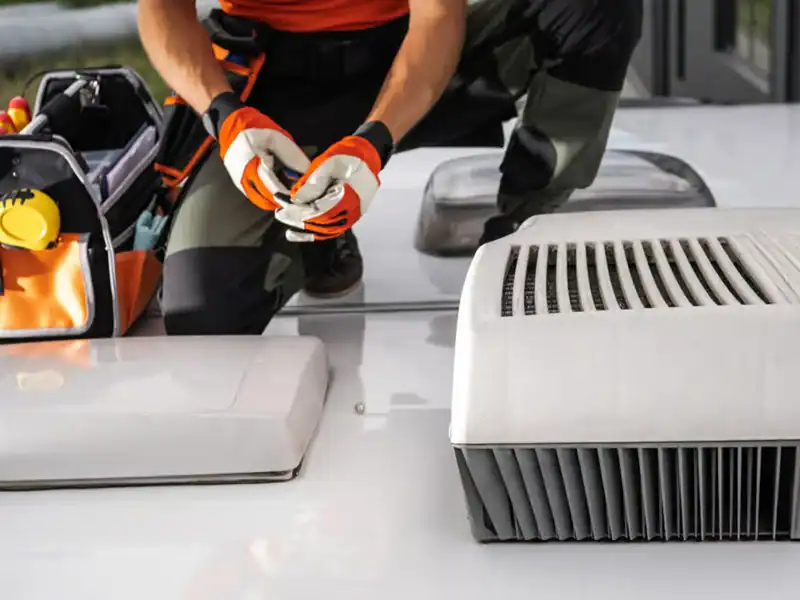
Here’s a comprehensive list of what you might need for an RV roof repair:
- Ladder
- Soft-bristle brush
- Mild cleaner or RV roof cleaner
- Rags or towels
- Plastic putty knife
- Denatured alcohol
- Butyl tape
- Lap sealant (self-leveling and non-sag)
- Patch kit or rubber patch material
- Caulk gun
- Liquid roof coating (if needed)
- Safety gloves and glasses
Preventative Maintenance Tips
The best RV roof repair is the one you never have to do. Here’s how to reduce the chance of future leaks:
1. Inspect Your Roof Quarterly
- Look for soft spots, discolored areas, or sealant failures.
- Use a flashlight to inspect the interior ceiling.
2. Clean the Roof Regularly
- Debris buildup can hold moisture and degrade materials.
- Clean every 3-6 months, depending on use and storage.
3. Reseal As Needed
- If sealant is peeling, cracked, or missing, replace it.
- Check around all fixtures and roof edges.
4. Store Smart
- Use a breathable RV cover or Outrig indoor storage.
- Avoid parking under trees where limbs and sap can damage the roof.
When to Call a Professional
While many RV roof repairs can be DIY projects, some situations require professional help:
- Structural damage or major roof sagging
- Large, hidden leaks that are hard to trace
- Full membrane replacement
- Insurance-related repairs
Final Thoughts
Learning how to perform an RV roof repair empowers you to protect your investment, save money, and avoid mid-trip disasters. While roof leaks can be intimidating, most are manageable with the right knowledge and preparation. By following this step-by-step guide, you can fix existing issues and keep your RV's roof in top shape for many adventures to come.
Always follow product instructions carefully and don’t hesitate to consult Outrig’s expert repair team when needed. A well-maintained RV roof is the key to dry, worry-free travels year-round.