
How Tall Is an RV? A Complete Guide to RV Height
October 7, 2025
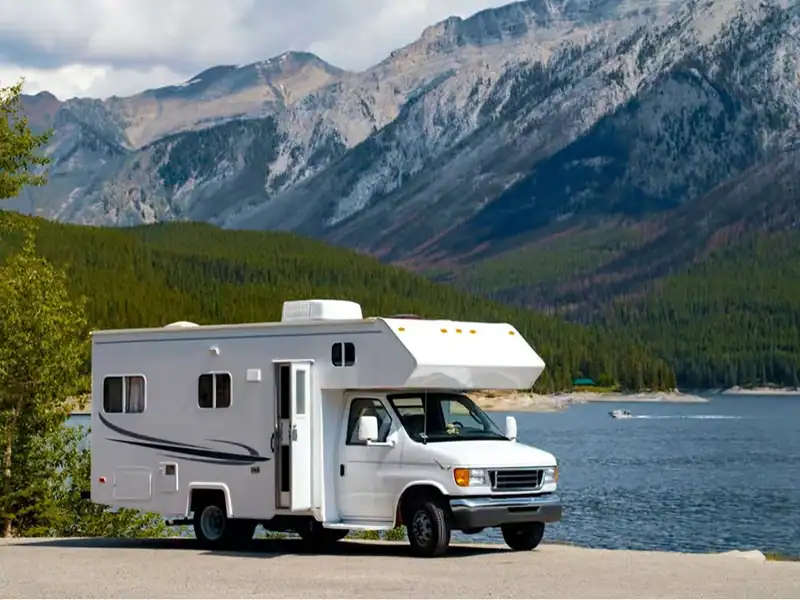
When you’re driving or storing your RV, every inch counts.
A few inches too tall, and suddenly that “RV-friendly” storage bay, bridge, or gas station canopy becomes a very expensive problem.
Understanding your RV’s height isn’t just about convenience — it’s about safety, storage fit, and stress-free travel.
This guide covers everything you need to know about RV height, including how to measure it correctly and what that means for your next adventure (or your next Outrig storage unit).
What Does “RV Height” Actually Mean?
Your RV’s height is the total distance from the ground to the highest fixed point on your vehicle.
That means you’re not just measuring to the roofline — you must include anything mounted to the roof permanently, such as:
- Air conditioner units
- Roof vents and fans
- Satellite domes or antennas
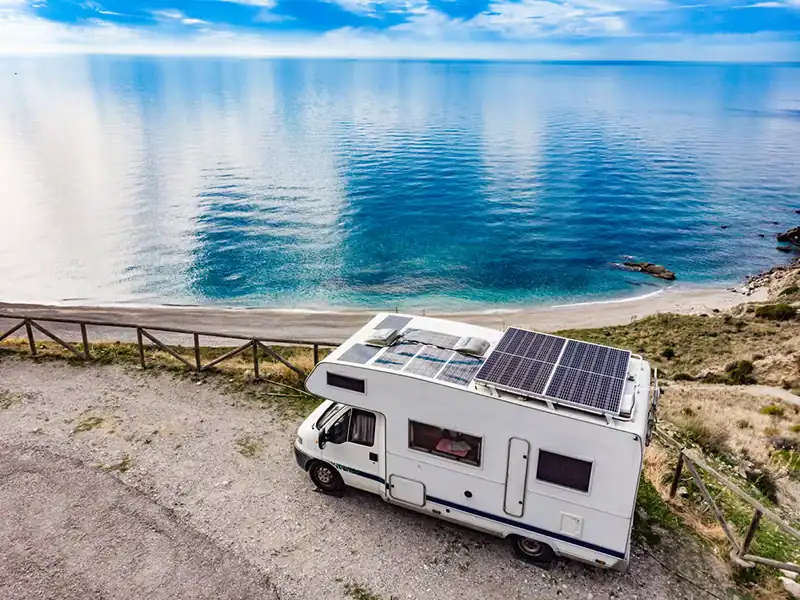
- Solar panels and roof racks
- Fixed ladders or camera mounts
Pro tip: The manufacturer’s listed height often excludes roof accessories. Always measure your own RV for an accurate number.
Average RV Heights by Type
RV heights vary widely depending on class and model. Here’s a quick overview of typical height ranges:
| RV Type | Average Height Range | Key Details |
|---|---|---|
| Class A Motorhome | 12′–13.5′ | Among the tallest on the road; height limits are often near the legal max. |
| Class C Motorhome | 10.5′–12′ | Slightly shorter; great balance between space and mobility. |
| Class B Camper Van | 8′–9.5′ | Lowest profile; can often fit under bridges and in standard parking garages. |
| Fifth Wheel | 12′–13.5′ | Taller front section; mind rooftop A/Cs and vents. |
| Travel Trailer | 9′–13′ | Wide range depending on size and design. |
| Pop-Up Camper | 4.5′ (folded) – 8′ (open) | Compact and garage-friendly when closed. |
Always round up your measurement — it’s better to assume your RV is slightly taller than shorter.
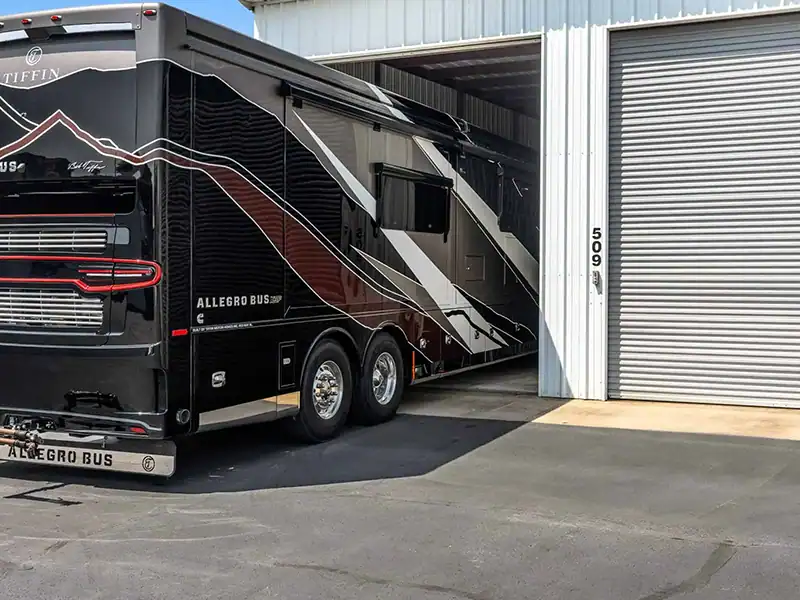
Why RV Height Matters (More Than You Think)
1. Avoid Bridge & Overpass Mishaps
Low-clearance bridges can turn a road trip into a nightmare.
Even one wrong turn down a 12′ underpass with a 13′ RV can mean thousands in roof repairs.
2. Storage Unit Clearance
Not all “RV storage” is created equal. Some indoor storage units or covered bays cap out around 12′, which could exclude larger Class A motorhomes or fifth wheels. Always confirm gate and ceiling height with your storage provider.
3. Gas Stations & Drive-Thrus
Standard canopies at fuel stations or drive-thrus often hover around 12′. Measure before you attempt to squeeze in — and choose truck-friendly fueling stations when possible.
4. GPS & Route Planning
Modern RV GPS apps let you enter your height so routes automatically avoid low bridges. Apps like RV LIFE, CoPilot, and Garmin RV make this easy — as long as you know your actual height.
5. Insurance & Damage Prevention
Damage from low-clearance collisions can void certain warranties or policies (Here's what to do if you need to file an RV insurance claim). Knowing your height helps you steer clear — literally and financially.
How to Measure Your RV Height (Step-by-Step)
- Park on a Level Surface
Uneven ground will distort your measurements. - Check Tire Pressure
Underinflated tires can throw off height readings by several inches. - Include All Roof Equipment
Measure to the top of your tallest fixed component — often your A/C unit or satellite dome. - Use the Right Tools
A telescoping measuring pole, laser tool, or a tape measure with a helper works best. - Measure Straight Up from the Ground
Avoid measuring along roof slopes — take a direct vertical line. - Round Up
If your total is 12′10″, write it down as 13′ to create a safety margin. - Label It
Add a small dashboard sticker with your RV’s official height — so you never have to guess mid-drive.
Common RV Clearance Issues to Watch Out For
- Gas station canopies: Often 11.5′–12′ high.
- Fast-food drive-thrus: Usually max out around 10′.
- Residential tree branches: Can scrape taller motorhomes.
- Older highway overpasses: Some date back to 1950s clearance standards.
- Covered storage units: Frequently range from 12′–14′ clearances, depending on location.
Before entering any tight space, look for posted height signs — and when in doubt, stop and measure.
RV Height & Storage: What to Know Before You Book
When booking RV storage, here’s what you should check:
- Gate and Door Clearance: Ask the exact vertical height of both the entry gate and the interior beams.
- Covered vs. Enclosed Units: Covered storage provides weather protection but not always full enclosure — perfect for tall rigs.
- Drive-Through Access: If you have a long Class A or fifth wheel, confirm turning radius and lane height.
- Extra-Tall Bays: Some Outrig locations offer oversized bays specifically designed for Class A RVs and commercial vehicles.
Pro tip: Always bring your measurement when reserving a unit. Outrig’s on-site teams can confirm fit before you finalize the rental.
Quick Reference: Legal Height Limits by State
In the U.S., most states cap RV height at 13′6″ on interstates.
Some western states (like California or Arizona) allow slightly taller vehicles on specific highways, but staying under 13′6″ keeps you safe almost everywhere.
If your RV is close to the limit, be extra cautious in older cities or when driving under tree-lined residential streets.
FAQ: Common Questions About RV Height
Q: Can I rely on the manufacturer’s listed height?
Not completely. The published height often excludes rooftop accessories like A/C units or antennas. Always measure your actual RV.
Q: Do solar panels or roof racks make a difference?
Yes — even low-profile panels can add 1–3 inches, and roof racks or domes can add more.
Q: Is height affected by tire size or suspension?
Yes. Tire upgrades or suspension modifications can raise your total height by several inches.
Q: What’s the safest overall clearance to plan for?
Keep at least 6 inches of buffer below any posted height limit to allow for surface dips and uneven roads.
Final Thoughts: Measure Once, Store Confidently
RV height may seem like a minor detail, but it’s one of the biggest factors in keeping your investment safe — both on the road and in storage.
Before you hit the highway or choose your next storage unit, take 10 minutes to measure your RV properly.
At Outrig, we make RV storage simple with tall bays, wide drive lanes, and clear height guidelines at every facility.
Find your nearest RV storage location and book your perfect fit today.