How to Choose an RV Storage Option
February 13, 2025
Decoding Your RV Storage Options

If you want to get the most out of your RV, boat, classic car, or whatever recreational vehicle you’ve invested in, you need it to be stored reliably and safely. Outrig was founded to simplify storage for our customers so you can enjoy more time outside than you do in the repair shop. There’s a lot of choices when it comes to storage: fully enclosed, covered / canopy, or outdoor units. Each choice comes with trade-offs, so we're here to demystify the RV storage options in your area so you can make the best choice for you.
Fully Enclosed or Indoor Storage Unit
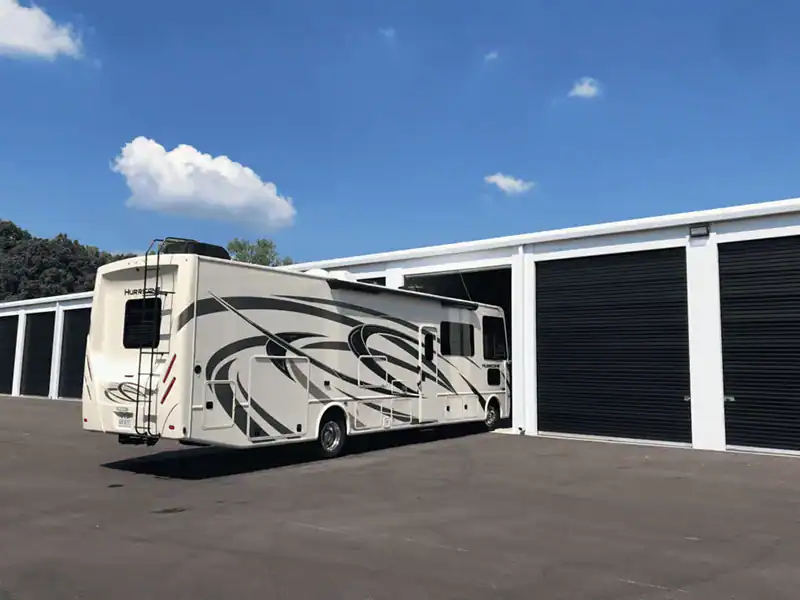
Enclosed storage units are typically more expensive than covered or open parking, but offer the greatest level of protection from the elements. Depending on the area you live in, enclosed spaces can protect you from hail damage, extreme heat, or excessive snow that can damage your RV exterior and interior.
RV exteriors and roofs can become dull over time (even when the rest of the RV is in pristine condition) due to oxidation from consistent exposure to the sun’s UV rays. While routine waxing and polishing will help preserve the exterior, that high gloss polish it had when you bought it can fade if you leave it out in storage for months on end, year after year. Enclosed storage can shield your RV from constant UV exposure so your exterior will look newer longer.
Covered or Canopy Parking
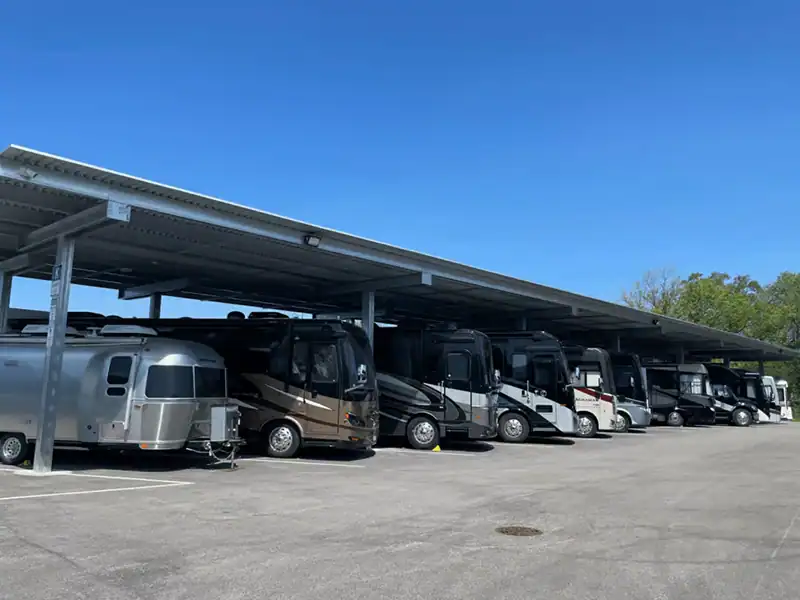
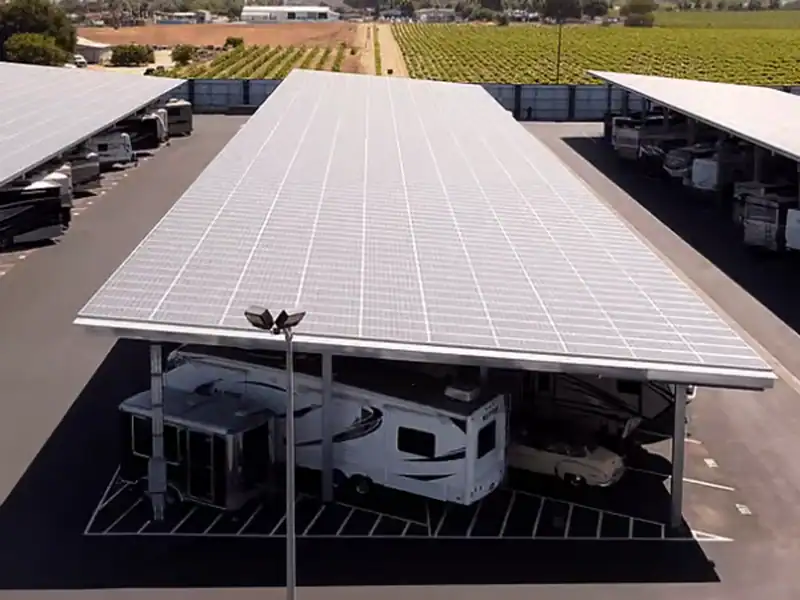
Similar to enclosed storage, covered parking can protect your RV from the most extreme elements helping you avoid costly repairs or visible wear. A covered space can provide the best of both worlds: it protects the value of your RV but is more affordable than a fully enclosed space. That said, the open-air nature of covered parking does not fully insulate your RV from changes in temperature or extreme weather, so you can still encounter unwanted damage, like from excessive dust or rain.
Open Parking
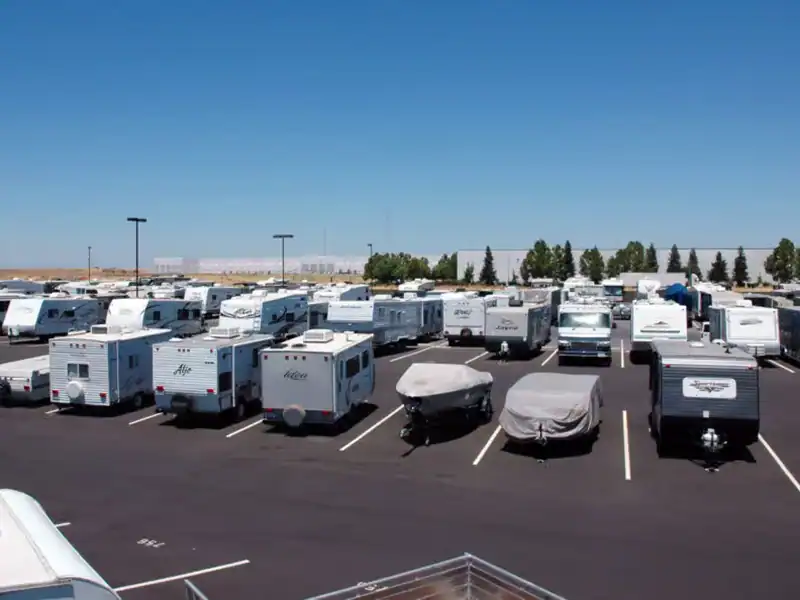
Open parking is typically the most affordable option available in the market. If you use your RV frequently and it doesn’t stay in storage for long stretches, open parking can suit your needs.
Even if your RV is parked outside for a short time, there is some risk of damage from the weather. Your RV’s roof sealant will typically last for 6 months when your RV is covered, but only lasts for roughly 3 months if left in the full sun every day. Prolonged exposure to the sun’s UV rays can cause your seals to break down faster and cause unforeseen leaks and damage, so outdoor parking can lead to more required maintenance to keep your RV looking and driving great.
Other considerations
When considering which type of storage is right for you, also explore the facility you’d be storing with and the amenities it offers its tenants. Amenities like chargers, propane, on-site dump station, 24/7 surveillance or an onsite wash station could help you determine which type of storage fits your needs and gets you on the road fastest.
Your trusted Storage partner
At Outrig, we’re proud to offer a variety of storage solutions to meet your needs. Our spaces can accommodate boats, 5th wheels, drivable RVs, and small travel trailers alike. If you’re ready for more peace of mind, contact us today.