How to Prepare your RV for Long-Term Storage (in any season)
November 4, 2026
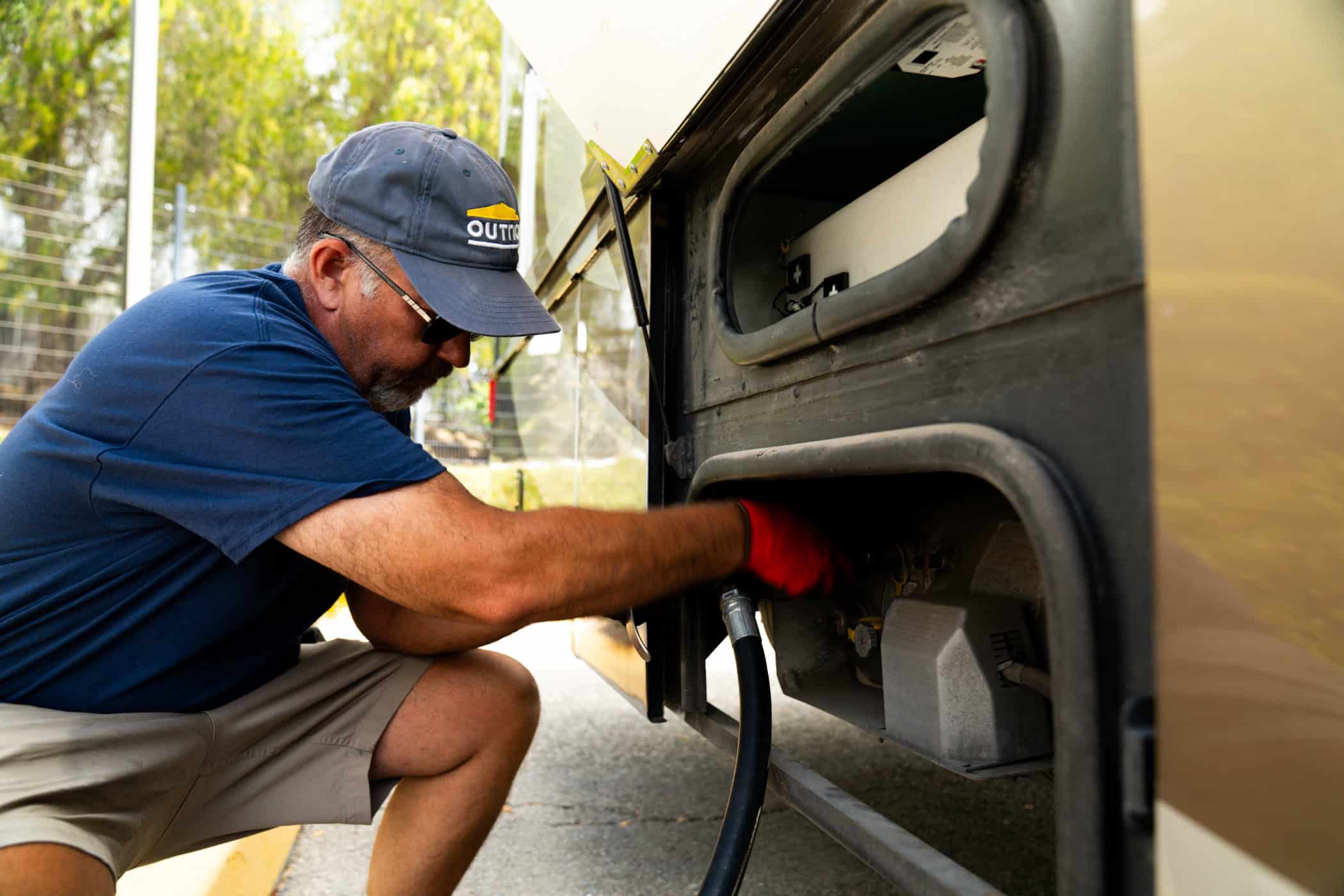
Giving your RV a little care before it takes a break can make all the difference when it’s time to hit the road again. With a bit of planning, you can help keep everything in good shape, from the tires and battery to the seals and interior.
Winterizing is essential when freezing temperatures are in the forecast, but long-term storage is about more than protecting your RV from the cold. Months of sitting still can lead to flat-spotted tires, stale fuel, a drained battery, sun-damaged seals, and even a few unwanted furry visitors. Whether your RV will be resting through a snowy Ohio winter or a hot Arizona summer, a little preparation goes a long way.
We’ll walk you through the process in four simple stages: before you store, storage day, while it’s stored, and getting it ready to roll again. If freezing temperatures are part of your storage plans, start with our RV winterizing checklist, then return here for the extra steps that help protect your RV in any season.
Stage 1: Before You Store
Most of the work happens in the week or two before you drop off your RV.
Give your tires some love
Over time, tires can develop flat spots, and UV rays can dry out and crack the rubber.
- Inflate tires to the maximum cold PSI listed on your owner's manual.
- Clean them and plan to use tire covers to block the sun.
- If you can, park on level ground and check tire pressure monthly while the RV is stored
For more tire tips from a retired tire engineer, read Preserving your RV’s tires when parking long-term on RVtravel.com.
Fill up the tank and stabilize the fuel
Gas left sitting for months can break down and gum up your fuel system. A full tank also leaves less room for condensation to form.
- Fill the fuel tank most of the way.
- Add a fuel stabilizer, following the directions on the bottle.
- Run the engine (and generator) for 10 to 15 minutes so the treated fuel makes its way through the system.
Check the engine, generator and fluids
An oil change in your RV before storage is a smart move. You’ll also want to top off the coolant, brake fluid, power steering fluid and windshield washer fluid. For your generator, follow the manufacturer's storage instructions, which usually include an oil change and a stabilized fuel supply.
Shut off the propane
Turn off the valves on your propane tanks and make sure every propane appliance is off. Look over the lines and fittings for wear. Some storage facilities have rules about propane cylinders, so ask before you arrive. At Outrig, propane cylinders must remain properly attached to the RV.
Inspect the roof and seals
A small leak you'd catch in a weekend can do serious damage over a few months of rain or snow. Don’t forget to check the following:
- Roof seams, vents and around the AC unit
- Caulking around windows, doors and exterior compartments
- Slide-out seals, which you can treat with a rubber seal conditioner
Reseal anything that's cracked or peeling. It's much cheaper than fixing water damage later.
Take care of the basics
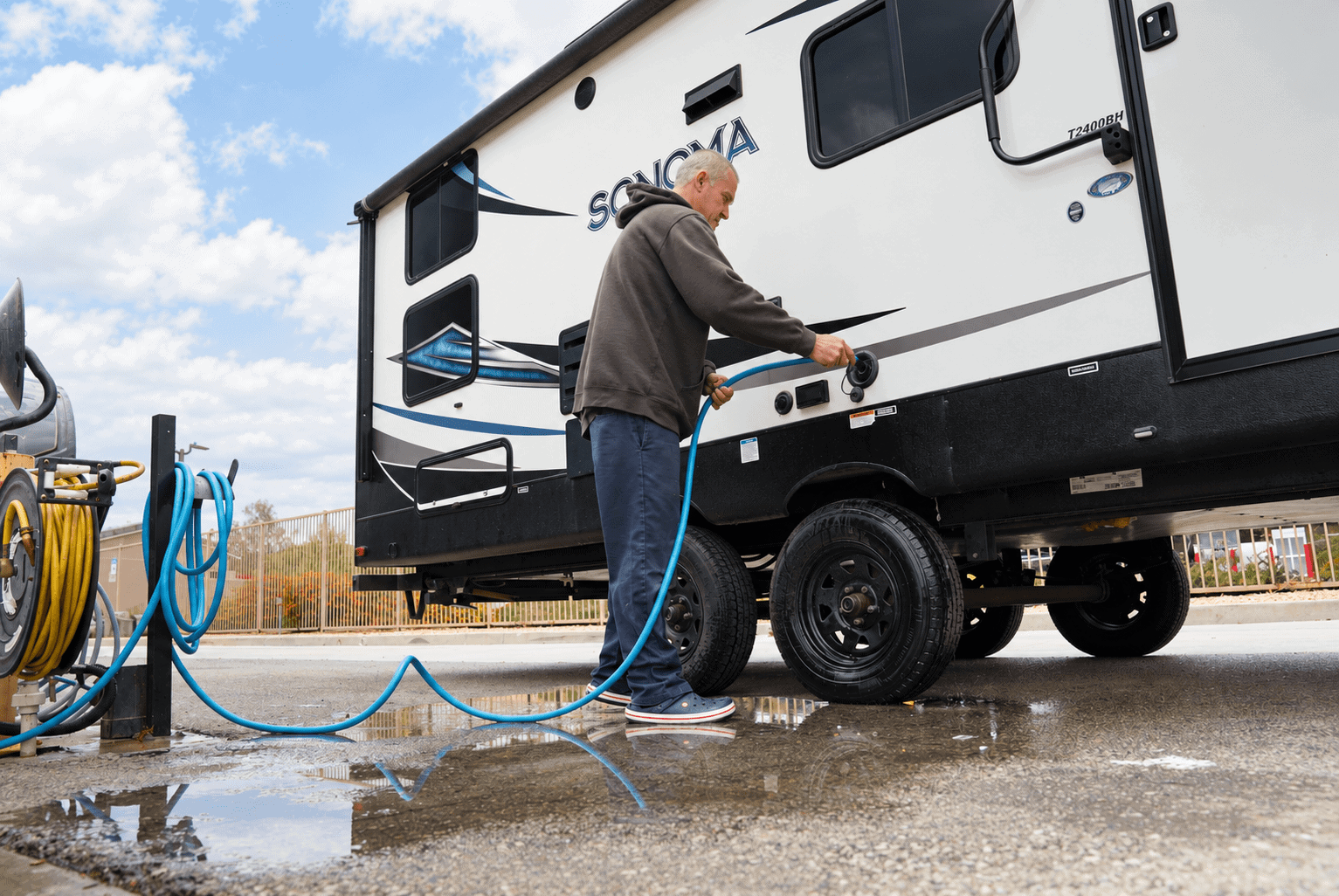
You'll still want to wash the RV, empty the fridge, clear out food and decide what to do with the battery. We cover these in detail in our RV winterizing checklist. For long-term storage, the battery is especially important: either remove it and store it somewhere clean and dry, or keep it connected to a battery maintainer the whole time. And don’t forget to drain your water heater.
Stage 2: Storage Day
You've done the prep. Now it's time to park!
Chock the wheels, un-do the parking brake
Leaving the parking brake engaged for months can cause the brakes to stick or corrode. Park on level ground, place wheel chocks on both sides of the tires and release the parking brake.
Cover it the right way
A good, breathable, moisture-resistant RV cover blocks UV rays, bird droppings, dust and other particles and moisture. Here’s some things to remember when picking a cover:
- Choose breathable fabric. Plastic tarps and non-breathable covers trap moisture, which leads to mold and mildew.
- Get the right fit. A loose cover flaps in the wind and can scratch your exterior. Look for one made for your RV type and length.
- Make sure the RV is fully dry before covering it.
If you're storing in a covered or enclosed space, you may not need a full cover at all. Tire covers and a windshield shade might be enough.
Block the sun from coming inside
Close the blinds and shades, and add reflective windshield covers. Months of sunlight can fade upholstery, crack your dashboard and warp interior finishes.
Manage moisture
A closed-up RV can get musty, especially in humid climates.
- Set out moisture absorbers.
- Prop open the fridge, freezer and cabinet doors.
Do one final walk-through
Lock every door and compartment, unplug small appliances, turn off the main power and take a few photos of the inside and outside. Those photos are handy if you ever need to file an insurance claim.
And an added benefit of all these steps: properly getting ready for storage can add to your RV’s resale value.
Stage 3: While It's Stored
"Out of sight, out of mind" is a great motto for a vacation, but not always for a stored RV. If you’re able, a quick visit once a month helps you catch small problems before they turn into big ones.
Your monthly check-in list
If you can visit your RV while in long-term storage, here’s what to do:
- Walk around the outside and look for damage, leaks or signs of pests.
- Check tire pressure and top off as needed.
- Look inside and check for musty smells, water stains or droppings.
- Empty or replace any moisture absorbers.
- Run the generator as your RV manual recommends.
- Start the engine and let it run for a few minutes.
- Check the battery charge or confirm your battery maintainer is working.
- Make sure the cover is still secure.
Review your insurance and registration
Make sure to call your insurance provider before your RV goes into storage. Many companies offer storage or "lay-up" coverage that drops driving coverage but keeps protection against theft, fire and weather damage.
Choose the Right Long-term Storage
Where you store your RV matters just as much as how you prep it. Here's how the most common options compare:
Open parking is best for milder climates. Choose a lot with secure, gated access to help protect against theft while in storage.
Covered parking helps combat weather conditions and nature. Think sun, rain, snow, hail and bird droppings. Covered parking is a great long-term storage option, especially in sunny or storm-prone areas.
Enclosed storage protects against all weather conditions, long-term UV rays and may provide the most secure option. Higher-end RV owners and those choosing storage for a long period of time would benefit from this option.
What to look for in a facility
- Security: security cameras, gated access and good lighting
- Access hours: you'll want to get in for those monthly check-ins if you can
- Space size: make sure there's room for your RV's length, height and slide-outs. If looking for covered storage, many sites have low-canopy and high-canopy options.
- Amenities: wash stations, dump stations, power hookups and battery charging can make storage day and pickup day easier
- Location: close to home for check-ins, or close to where you like to camp
Store with Outrig
Outrig has 20+ locations across the U.S. with options for open parking, covered and enclosed storage units. Many locations offer wash stations and valet parking, too. Find an Outrig RV storage location near you.
Stage 4: Hit the Road Again!
When you’re ready for your next trip, run through this quick checklist:
- Remove the cover, tire covers and windshield shades.
- Walk around the RV and look for damage, leaks, pests or nests.
- Reinstall or reconnect the battery and make sure it's fully charged.
- Check tire pressure and look for cracks or bulges.
- Check all engine fluids and look under the RV for drips.
- Turn the propane back on.
- Test the electronics (lights, turn signals, brakes, slide-outs, awning and appliances)
- If you winterized, flush the antifreeze out of the plumbing and sanitize the fresh water system.
- Restock the fridge and pantry (don’t forget snacks for the grandkids!)
- Take a test drive before your first big trip on the road.
A little prep now means fewer surprises later. And when it comes to finding a safe place to park your RV while it rests, we're one less worry. Come see us and experience exceptional storage.