RV Inspection Checklist: What You Should Prepare Prior To Service
May 20, 2025
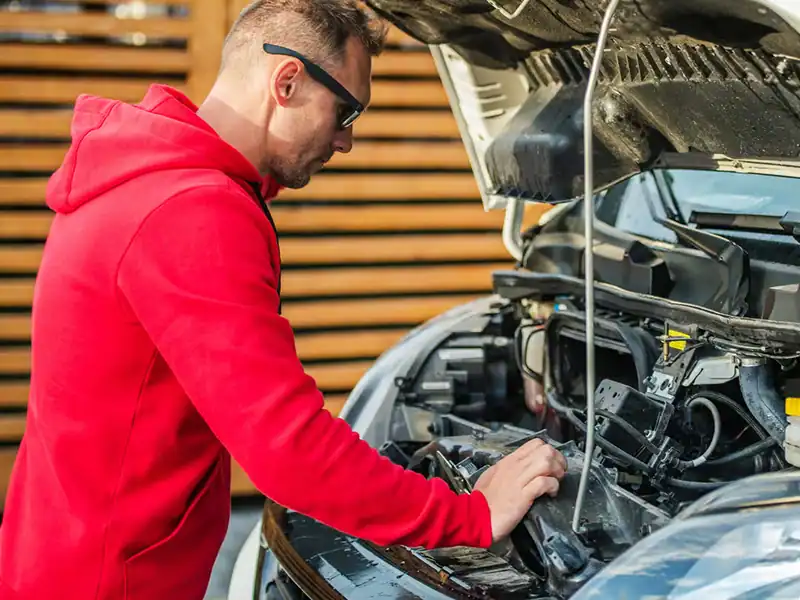
Before you hit the open road in your RV, whether for a weekend getaway or a cross-country journey, it’s crucial to ensure your vehicle is in top condition. A thorough RV inspection can help you catch issues before they turn into costly repairs or safety hazards. But what exactly should you be checking? And how can you prepare your RV before bringing it in for an RV inspection service?
This guide from Outrig will walk you through a comprehensive RV inspection checklist and offer tips on how to get the most out of your inspection. Whether you're a seasoned traveler or a new RV owner, understanding the process and RV inspection cost can save you time, money, and headaches down the road.
Why You Need an RV Inspection
An RV is a complex machine with many moving parts and systems—mechanical, electrical, plumbing, and more. Regular RV inspections ensure all these systems are functioning correctly. They also:
- Increase the lifespan of your RV
- Prevent minor issues from becoming major problems
- Boost resale value
- Ensure safety for you and your passengers
Many states also require periodic inspections for compliance with road safety standards. Whether you're purchasing a used RV or prepping for seasonal travel, a comprehensive RV inspection service is a smart investment.
How Much Does an RV Inspection Cost?
One of the most common questions we hear is, "How much does an RV inspection cost?" The answer depends on a few key factors:
- Type of RV: Class A motorhomes tend to cost more to inspect than smaller travel trailers.
- Scope of inspection: Basic visual checks cost less than full diagnostic inspections.
- Location and service provider: Prices can vary widely depending on where and by whom the service is performed.
On average, RV inspection costs range from:
- $150 to $300 for basic inspections
- $300 to $600+ for comprehensive inspections
Keep in mind that while it might seem like an extra expense, identifying issues early can save you thousands in future repairs.
Pre-Inspection Preparation Tips
Before your RV inspection service appointment, there are several things you can do to streamline the process and ensure your vehicle is ready for a thorough review.
- Clean the RV (Inside and Out): A clean RV allows the technician to better identify issues. Remove personal belongings to give clear access to compartments and systems.
- Check Fluid Levels: Top off engine oil, coolant, transmission, and brake fluids. Not only does this help the inspector, but it may also prevent false diagnostics.
- Charge the Battery: Make sure your house and chassis batteries are fully charged so that electrical systems can be properly tested.
- Empty Waste Tanks: Dump your black and gray water tanks. This helps with checking the plumbing system and prevents any unpleasant surprises.
- Bring Maintenance Records: If you have service logs, bring them. They give context and can help the inspector pinpoint recurring issues.
- Make a List of Concerns: If you've noticed anything odd—like strange noises, leaks, or system malfunctions—write it down and share it with your technician.
Comprehensive RV Inspection Checklist
Here’s a breakdown of what a typical RV inspection checklist includes. Knowing this ahead of time will help you understand what to expect and how to prepare.
1. Exterior Inspection
- Roof condition and seals (Never a bad idea to reseal your roof!)
- Window seals and awnings
- Slide-outs and seals
- Body damage or corrosion
- Hitch and tow equipment
- Tires (tread depth, wear, pressure)
2. Interior Inspection
- Flooring and walls (soft spots, water damage)
- Cabinet latches and furniture integrity
- Interior lights and outlets
- Smoke and CO detectors
- HVAC vents and thermostat functionality
3. Electrical System
- Shore power connection
- Battery voltage and condition
- Generator operation
- Inverter and converter performance
- Fuse and breaker box
4. Plumbing System
- Fresh, gray, and black water tanks
- Water pump and faucets
- Water heater functionality
- Toilet and shower
- Check for leaks or odors
5. Propane System
- Tank condition and levels
- Leak detection test
- Regulator performance
- Appliance connection (stove, fridge, furnace)
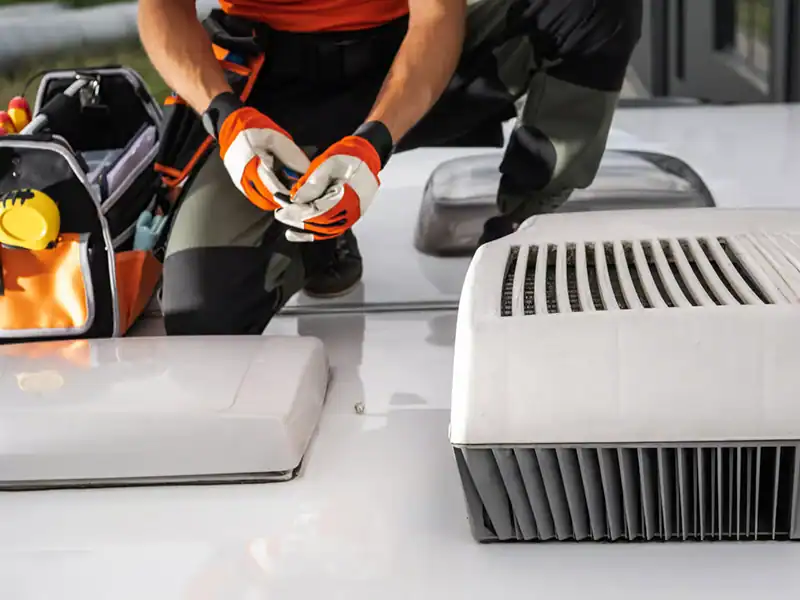
6. HVAC System
- Air conditioning performance
- Furnace operation
- Thermostat accuracy
7. Appliance Check
- Refrigerator (AC and propane modes)
- Microwave
- Stove and oven
- Washer/dryer (if applicable)
8. Chassis and Engine (Motorhomes)
- Engine oil and filter
- Transmission fluid
- Belts and hoses
- Brakes and suspension
- Steering system
9. Brake and Safety Checks
- Brake pads and rotors
- Emergency brake function
- Fire extinguisher presence and expiration
- Signal lights and headlights
When Should You Get an RV Inspection?
- Before Buying or Selling: A pre-purchase inspection helps you avoid buying a lemon, while a pre-sale inspection boosts buyer confidence.
- Before a Major Trip: Catch potential problems before you're hundreds of miles from home.
- Seasonal Start-Up or Shut-Down: If your RV has been sitting idle for months, a thorough inspection is a must.
- Annually: Even if you use your RV often, regular check-ups ensure all systems are operating correctly.
DIY vs. Professional RV Inspection Service
While you can do some basic inspections yourself, a professional RV inspection service brings added expertise, diagnostic tools, and impartiality. DIY checks are ideal for:
- Monitoring tire pressure and fluid levels
- Inspecting seals and awnings
- Checking lights and safety gear
Professional services are essential for:
- Electrical system diagnostics
- Propane leak testing
- Engine and brake system inspections
- Generator performance evaluations
The cost of a professional RV inspection is worth the peace of mind, especially before long trips or sales transactions.
Final Thoughts
Your RV is more than a vehicle—it’s your home on wheels. Keeping it in top shape means fewer surprises, lower repair costs, and safer travels. By using this RV inspection checklist and preparing in advance, you can make the most of your RV inspection service.
So, how much does an RV inspection cost? Think of it as an investment in your journey’s success. Whether you’re traveling through the deserts of Arizona or the forests of Colorado, let Outrig help you stay road-trip ready. Schedule your next inspection with us today and travel with confidence.