RV Solar Power Systems 101: What Is It And Why You Need It
April 29, 2025
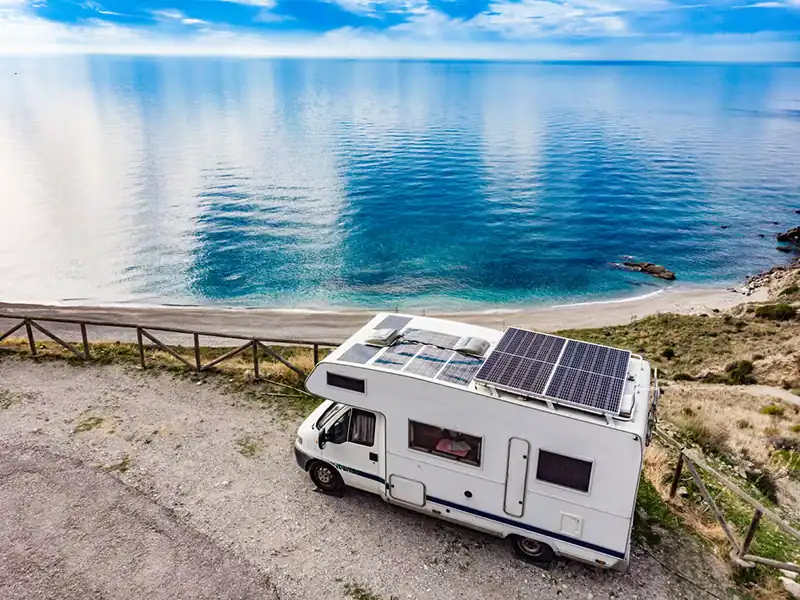
If you're passionate about RV travel, chances are you've already thought about ways to stay powered up while off the grid. That's where solar power systems come into play. With more RV owners seeking freedom and sustainability, understanding solar solutions has never been more important.
In this Outrig guide, we'll break down what RV solar power systems are, how they work, and why investing in one could be the smartest upgrade you make to your rig.
What Is an RV Solar Power System?
Simply put, an RV solar power system uses sunlight to generate electricity that powers your RV's appliances, lights, and electronics. The main components include:
-
- Solar Panels: These capture sunlight and convert it into electricity.
- Charge Controller: This regulates the voltage from the panels to the batteries to prevent overcharging.
- Battery Bank: Stores the solar energy for use when the sun isn't shining.
- Inverter: Converts stored DC power (from batteries) into AC power for household appliances.
- Generator: A solar generator is a portable device that converts sunlight into electricity and stores it in a battery for later use.
With a well-designed solar power system, you can stay energized without constantly relying on shore power, noisy generators, or frequent campsite stops.
Deep Dive: Understanding Solar Panels for RVs
Solar panels are the heart of your RV's solar power system. They come in different types, and choosing the right panel can significantly impact your system's efficiency and durability.
Types of Solar Panels
- Monocrystalline Panels:
- Made from a single crystal structure.
- Highly efficient (15-22% efficiency rate).
- Perform better in low-light conditions.
- Typically more expensive but longer-lasting.
- Polycrystalline Panels:
- Made from multiple silicon crystals.
- Slightly less efficient (13-17%).
- Generally more affordable.
- Great for those with ample roof space.
- Flexible Solar Panels:
- Thin, lightweight, and can bend to fit curved surfaces.
- Ideal for RV roofs that can't handle rigid panels.
- Usually less efficient and have a shorter lifespan.
Solar Panel Output and Sizing
When sizing solar panels for your RV, consider your daily energy usage. A typical RV setup might use:
- Lights: 5-10 watts each
- Refrigerator: 120-200 watts
- TV: 100 watts
- Water Pump: 60 watts
- Charging Electronics: 30-50 watts
If your daily consumption totals around 1,500 watt-hours, you'll need enough panels to produce that much electricity daily. A 100-watt panel generates about 300-600 watt-hours per day depending on sun exposure, so you might need three to five panels.
Mounting Solar Panels
Solar panels can be mounted in different ways:
- Fixed Mounts: Panels are bolted directly to the roof. They're durable but require you to park strategically to maximize sun exposure.
- Tilt Mounts: Panels can be angled towards the sun. This setup increases energy production by up to 25%, especially in winter.
- Portable Panels: Set up on the ground and positioned for optimal sun capture. Great flexibility but require manual setup.
Solar Panel Maintenance
Solar panels are low-maintenance but still require some care:
- Regular Cleaning: Dust, dirt, and bird droppings can reduce efficiency.
- Visual Inspections: Check for cracks, wiring issues, or loose mounts.
- Performance Monitoring: Track energy output to spot any decline that might signal a problem.
How Do Solar Power Systems Work for RVs?
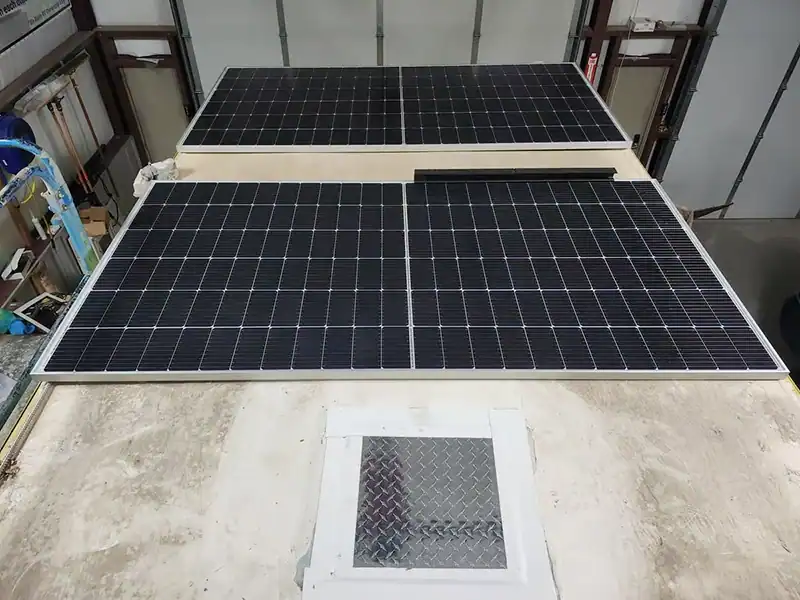
Solar panels mounted on the roof of your RV absorb sunlight during the day. That energy flows into a charge controller, which ensures your batteries receive the correct voltage and current. The stored energy can then be used to power DC appliances directly or converted through an inverter for AC-powered devices. This is the same install that our Service team did for Mesquite Wood Fire Pizza.
A solar system can be customized based on your energy needs, ranging from simple setups to full off-grid capabilities. The key factors include the number of solar panels, the size of your battery bank, and the power demands of your RV.

Why You Need an RV Solar Power System
1. Freedom to Roam Off-Grid
One of the biggest perks of RV travel is the ability to camp anywhere. With a solar power system, you're no longer tethered to RV parks or electrical hookups. Whether it's a national forest or a remote beach, you can set up camp while staying fully powered.
2. Cost Savings Over Time
While the initial investment in solar can seem steep, it pays for itself in the long run. Say goodbye to expensive campground fees for power hookups and cut back on fuel costs by reducing generator usage.
3. Eco-Friendly Living
Solar power is clean, renewable, and reduces your carbon footprint. If you love nature enough to live on the road, it makes sense to protect it with an environmentally friendly power source.
4. Quiet, Hassle-Free Power
Generators are loud, smelly, and require regular maintenance. Solar panels, on the other hand, work silently in the background. No fumes, no noise, and no need to worry about running out of gas.
5. Reliable Backup Energy
Solar energy gives you an extra layer of security, especially during emergencies. Even when the grid is down or a campground's power fails, your solar-powered batteries keep essential systems running.
How to Choose the Right Solar Power System for Your RV
When shopping for a solar power system, consider:
- Your Daily Power Consumption: Calculate the wattage of all devices you'll use.
- Roof Space: Ensure you have enough space to mount the number of panels needed.
- Battery Capacity: Bigger battery banks allow for more energy storage, critical for cloudy days.
- Portability Needs: Portable solar kits are a good alternative if you want flexibility.
Many RVers start small—perhaps with a 100-watt panel—and expand their system over time as needs grow.
Final Thoughts
Installing a solar power system for your RV can transform your travel experience. It's an investment in freedom, sustainability, and peace of mind. Whether you're a weekend warrior or a full-time RVer, solar power systems offer a reliable, eco-friendly solution to stay energized wherever the road takes you.
Ready to harness the power of the sun? As a preferred installer with Renogy, let Outrig help you unlock solar options for your RV! Get in touch to get started.