Summer Safety Tips For Your Upcoming Camping Trip
June 23, 2025
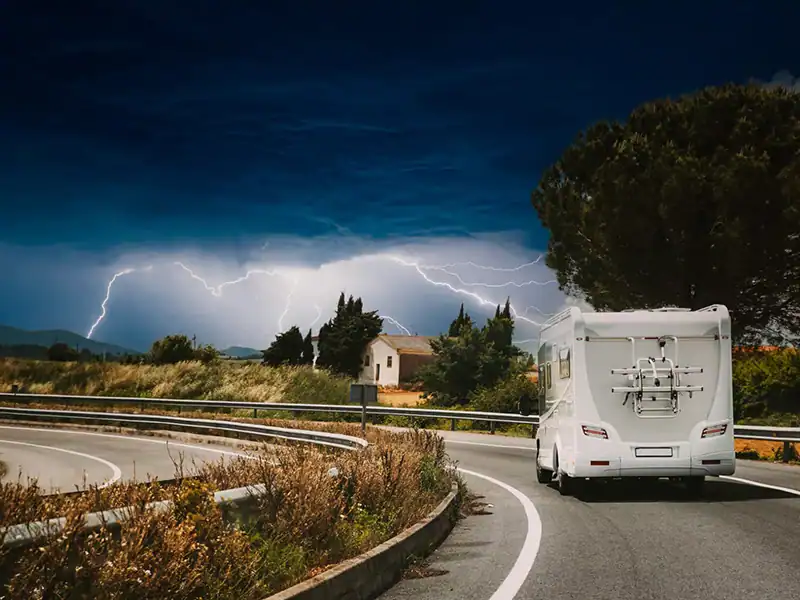
Summer camping season is finally here! While we know the mountains, lakes, campgrounds, parks and more are calling your name, we have to remind you the importance of making sure you know these summer safety tips should the weather turn on you.
We compiled some tips for you to know before you hit the road and while you're out in nature so you're prepared no matter what happens.
Before You Hit the Road
There are a few simple additions to your packing list and ways to prep in advance to make sure you and your loved ones are safe before you go.
- Build a Bad-Weather Go Bag: Double-up your regular first-aid kit with storm-specific extras: space blankets, electrolyte packets, spare phone power bank, and laminated copies of emergency numbers. Pop it in an easy-grab dry sack so you’re not digging through totes when the sky gets stormy.
- Pack and Know Your Portable Weather Tech: A NOAA-band hand-crank radio and a phone weather-alert app are both must haves. Do a five-minute radio test at home and make sure everyone knows the alert tone. We love the Cobra RX380 that doubles as a walkie talkie that you can use to keep in touch on trails with your travel companions.
- Scout Shelter Options in Advance: Look up the nearest storm-rated buildings along your route and at your destination, including visitor centers and ranger stations. Be sure to write down the GPS pin on paper and store it securely in case you lose service.
- Audit Your Rig for Loose Items: Check awning arms, roof-mounted solar panels, satellite dishes, and anything else that could become airborne. Stow a few extra ratchet straps and rubber bungee balls, just in case.
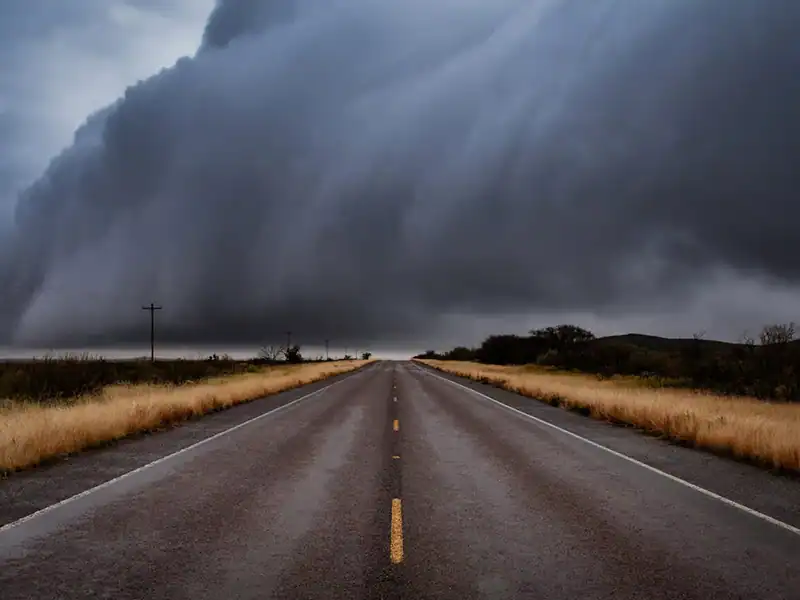
What To Do If You're Stuck In A Storm
Take these cautionary measures to ensure you and anyone traveling with you is safe.
- Secure Awnings and Slide-Outs First: Retract awnings and slide-outs completely and lock the latches. If gusts are already shaking your rig, angle your RV so the nose faces prevailing winds to reduce sidewall lift.
- Unplug Shore Power and Raise Jacks Just Enough: Lightning and power spikes are a nasty combination. Disconnect the charging cord, switch to battery power, and lift the stabilizer jacks an inch so they’re not grounding rods.
- Shelter Rule: RV Last, Concrete First: Your rig is fiberglass and aluminum—better than a tent but worse than a building. If you hear thunder within 30 seconds of seeing lightning, move everyone to that storm-rated shelter you scouted earlier.
- Keep Generators and Propane Vents Downwind: Storms often stall airflow, and carbon monoxide can sneak inside quickly. Point the exhaust away from the RV and crack a roof vent on the opposite side for fresh air. Yes, even in the rain.
- Account for Pets and Little Campers: Clip ID tags to collars, stash a spare leash in the go-bag and have ear protection handy. Soft kid-sized headphones will work just fine. Thunder and sirens can be rough on both pups and toddlers.
Post Storm Walk Around
Once the worst has passed, slowly stroll around your rig and look for punctures, hanging wires, and pooled water on slide-out roofs. Catching issues early means quicker insurance claims and fewer vacation-ending surprises.
If you've suffered any weather damage to your RV (whether on the road or in storage), Outrig Repairs can help get you back on the road.