
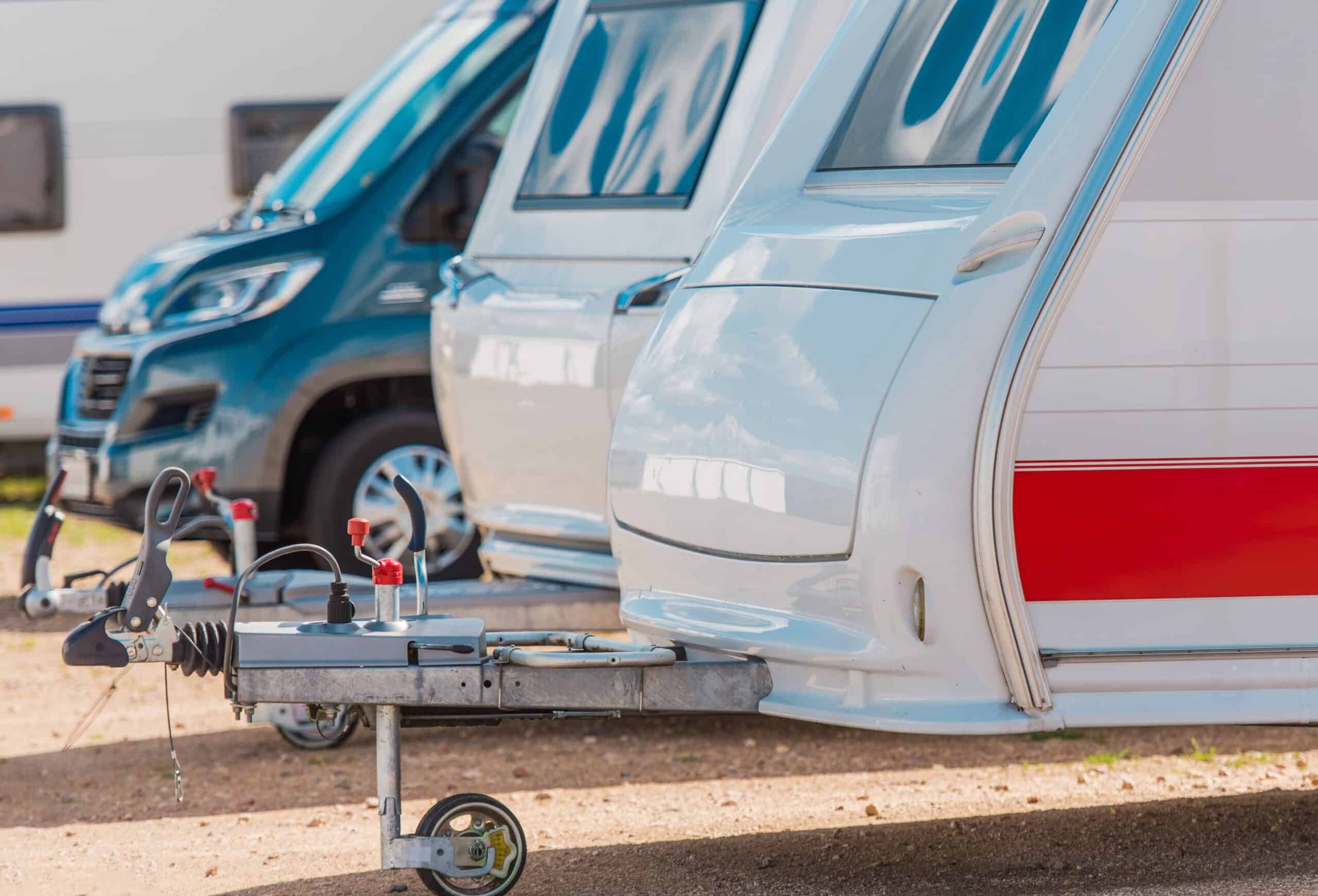
When adventure season winds down and it’s time to park your rig, choosing the right RV storage unit becomes a top priority. Whether you're a full-time RVer taking a seasonal break or a weekend warrior looking to protect your investment between trips, RV storage units offer a safe, secure, and convenient solution.
In this comprehensive guide, we’ll cover everything you need to know about RV storage units: the types available, cost factors, must-have features, and how to choose the best facility to match your needs.
Why RV Storage Units Matter
Your recreational vehicle isn’t just a vehicle—it’s a home on wheels, a major financial investment, and a gateway to adventure. Keeping it exposed to the elements, theft, or wear and tear during the off-season can shorten its lifespan and lead to costly repairs. That’s where RV storage units come in.
These storage options are designed specifically to accommodate the unique size and needs of motorhomes, travel trailers, fifth wheels, and camper vans.
Types of RV Storage Units
There’s no one-size-fits-all when it comes to storing your RV. Storage facilities offer different types of RV storage units to suit a range of budgets, climates, and security needs.
1. Indoor RV Storage Units
- Description: These are enclosed, garage-style units large enough to house even Class A motorhomes.
- Benefits: Maximum protection from weather, pests, and theft. Often climate-controlled. In other words, this is the best of the best when it comes to RV storage.
- Best for: High-end RVs, long-term storage, harsh climates.
- Downsides: Limited availability, higher cost.
2. Covered RV Storage
- Description: Canopy-style or carport-like structures that protect your RV from sun, rain, and snow.
- Benefits: Provides good protection at a lower cost than indoor storage.
- Best for: Mid-range budgets, RVs stored for multiple seasons.
- Downsides: Less security than indoor units; not fully enclosed.
3. Outdoor RV Storage
- Description: Open-air parking spaces in a secure lot.
- Benefits: Most affordable option and widely available.
- Best for: Short-term storage or RVs in moderate climates.
- Downsides: Exposure to weather and wildlife, limited protection from theft and other elements.
What to Look for in an RV Storage Facility
Finding the right RV storage unit isn’t just about picking the cheapest spot. There are several factors to evaluate when determining the right RV storage for you and your goals. Here’s what to look for when evaluating a facility:
1. Security Features
- Gated access with keypads or keycards
- 24/7 video surveillance
- On-site staff or security patrols
- Individual locks or alarms on indoor units
2. Accessibility
- Wide driveways for easy maneuvering
- 24-hour access
- Convenient location near highways or major cities
3. Size Options
RV storage units come in a variety of different sizes. Make sure your storage facility can accommodate the correct length, height, and width of your RV. Common sizes include:
- 20–30 feet (Class B & C)
- 30–40 feet (Class A, Fifth Wheels)
4. Climate Control
For those storing in areas with extreme temperatures, whether that be both cold or heat, indoor units with climate control can help preserve your RV’s interior, tires, and batteries.
5. Pest Control and Cleanliness
Check that the facility has regular pest control and is kept clean. Rodents and insects can wreak havoc on an idle RV.
6. Pull Through vs. Back In RV Storage
When choosing between pull-through and back-in RV storage, the main difference comes down to convenience and maneuverability. Pull-through storage spots allow you to drive your RV straight in and out without needing to reverse, making them ideal for larger rigs or less experienced drivers. These spots are often more expensive due to the ease of access they provide. Back-in storage, on the other hand, typically costs less and is more widely available, but it requires reversing your RV into place, which can be tricky in tight spaces or for longer vehicles. Ultimately, the choice depends on your confidence with backing up, your budget, and how frequently you plan to access your RV.
Luckily, Outrig offers both pull through and back in options.
7. On-Site Amenities
- Dump stations
- Wash bays
- Power hookups
- Air compressors for tires
- Outrig storage facilities have all of these amenities and more!
How Much Do RV Storage Units Cost?
There is a wide range of RV storage unit costs. The cost of storing your RV depends on several factors:
• Location:
Urban areas typically have higher rates. In high-demand markets such as California or Florida, prices can be significantly higher than rural areas.
• Type of Storage:
- Outdoor Storage: $30–$100/month
- Covered Storage: $75–$150/month
- Indoor Storage: $150–$500+/month
• RV Size:
Larger RVs take up more space and often require more expensive units.
• Length of Contract:
The majority of facilities offer month-to-month, 6 months, or 12 months leases.
Outrig believes in offering our customers the most flexibility possible and our leases are month-to-month so you can hit the road at any time.

Preparing Your RV for Storage
Before parking your rig for weeks or months, it’s essential to prep it properly to avoid costly surprises later.
1. Clean Inside and Out
Remove food, wipe down surfaces, and give the exterior a wash and wax. We also recommend cleaning appliances and make sure that all electrical units are unplugged.
2. Drain and Winterize Systems
- Drain water tanks and lines
- Add RV antifreeze (if storing in freezing climates)
3. Disconnect the Battery
You could also use a trickle charger to maintain it.
4. Cover Tires and Vents
Use RV tire covers and vent covers to protect against sun and moisture.
5. Seal All Openings
Unfortunately, this commonly avoided problem is one of the biggest mistakes that new RV owners make! Be sure to plug all gaps to prevent rodents and insects from getting inside.
6. Check Insurance
Ensure your RV insurance covers storage or consider a storage-specific policy. Luckily, Outrig offers an optional protection plan that will have you sleeping easy at night.
Alternatives to Traditional RV Storage Units
If RV storage units aren’t an option in your area, consider these alternatives:
• Self-Storage Facilities
Many traditional storage centers have RV-capable outdoor spots. As we mentioned, while outdoor RV storage is affordable, it has the least amount of protection from theft and weather.
• Peer-to-Peer Storage
Platforms such as Neighbor and Outdoorsy connect RV owners with homeowners renting driveway or backyard space.
• RV Storage Condos
These are individually owned indoor storage garages, often part of an RV community.
• Home Storage
If allowed by local ordinances, you may be able to store your RV at home. Be aware of HOA rules and city regulations. We would not recommend this option, despite it being legal in some jurisdictions, just to be a good neighbor!
RV Storage Units for Different RV Types
Not all RVs are built the same, and your storage needs will vary depending on your rig.
• Class A Motorhomes:
Often require indoor or covered units due to their size and value. If you spend this much on your RV, we recommend an indoor unit.
• Class B Camper Vans:
Can fit into smaller, more affordable units. Some even fit in oversized residential garages.
• Fifth Wheels and Travel Trailers:
Need a facility that accommodates detachable units. Secure hitch locks are recommended.
• Pop-Up Campers and Teardrop Trailers:
These can often be stored outdoors safely with a high-quality cover.
Frequently Asked Questions About RV Storage Units
Q: Do I need insurance if my RV is in storage?
Yes. Most facilities require proof of insurance, and it’s wise to have coverage for fire, theft, and damage even while stationary.
Q: Can I access my RV during storage?
Most facilities allow access during set hours or even 24/7. Check accessibility terms before signing with your storage provider.
Q: Are there RV storage units with electricity?
Yes, some indoor and covered units have power hookups, useful for charging batteries or running dehumidifiers.
Q: Are there seasonal discounts on RV storage?
Yes. Off-season months may offer reduced rates. Always ask storage providers about promotions or first-month discounts.
Q: How much space does my RV need?
Be sure to factor in any additional space for your hitch. While your RV may be 20 feet, your hitch will add an extra foot or two so a 25 foot unit would be more appropriate. Width is also important to factor in to make sure your rig can fit comfortably in the space.
How to Choose the Right RV Storage Unit
When narrowing down your options, create a checklist based on:
- Security
- Accessibility
- Size compatibility
- Climate needs
- Budget
Request a video to determine the conditions of the grounds, talk to the staff, and ask about their policies on emergencies, maintenance, and access.
Final Thoughts: Protect Your Home on Wheels
Storing your RV properly ensures that when it’s time to hit the road again, you’re not met with flat tires, dead batteries, or unwelcome pests. With so many RV storage unit options available—from luxury indoor garages to budget-friendly open lots—you can find the perfect fit for your rig and your wallet.
Whether you’re parking for a few weeks before your next big adventure for several months during the winter, taking the time to find the right storage solution is one of the best ways to protect your investment and extend the life of your RV.
Looking for an all in one RV storage provider? Outrig is the right option for you and your RV. Check out our convenient locations and reserve your site today.